Welcome to the world of cloud-based legal software! Gone are the days of bulky files and tedious paperwork, as modern technology has revolutionized the way law firms operate. By utilizing cloud-based legal software, lawyers can access their documents and data from anywhere with an internet connection, making remote work and collaboration a breeze. Not only does this streamline processes and increase efficiency, but it also enhances security measures to protect sensitive information. Stay ahead of the curve and discover the countless benefits of cloud-based legal software today!
Advantages of Cloud Based Legal Software
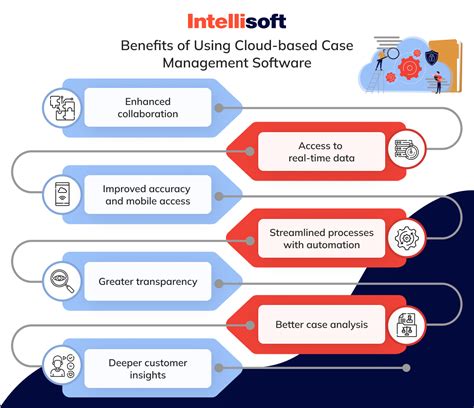
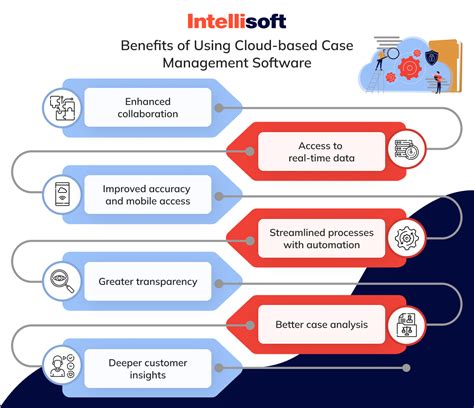
Cloud-based legal software offers several advantages that make it an attractive option for law firms and legal professionals. One of the main benefits of using cloud-based legal software is the flexibility it provides. With cloud-based software, legal professionals can access their files and documents from anywhere with an internet connection. This means that lawyers can work remotely, whether they are at home, in court, or on the go. This flexibility allows legal professionals to work more efficiently and stay connected to their clients at all times.
Another advantage of cloud-based legal software is the ability to collaborate easily with colleagues and clients. Since the software is stored in the cloud, multiple users can access and work on documents simultaneously. This makes it easier for legal teams to collaborate on cases, share information, and track progress. Cloud-based software also allows lawyers to securely share documents with their clients, streamlining the communication and review process.
Cloud-based legal software also offers automatic updates and backups, reducing the risk of data loss or system failure. The software provider handles updates and maintenance, ensuring that legal professionals always have access to the latest features and security updates. Additionally, cloud-based software automatically backs up data in secure servers, protecting it from loss or theft. This gives legal professionals peace of mind knowing that their important files and documents are safe and accessible at all times.
Moreover, cloud-based legal software typically offers cost-effective pricing options, making it a more affordable solution for law firms of all sizes. Since the software is hosted in the cloud, there is no need for expensive hardware or IT infrastructure. This lowers the initial investment and ongoing maintenance costs, making it a cost-effective solution for legal professionals on a budget. Additionally, many cloud-based legal software providers offer subscription-based pricing plans, allowing firms to pay for only the services they need.
In conclusion, the advantages of cloud-based legal software make it a valuable tool for law firms and legal professionals looking to streamline their workflow, improve collaboration, and protect their important data. The flexibility, ease of collaboration, automatic updates and backups, and cost-effective pricing make cloud-based legal software an essential asset for modern legal practices.
Features to Look for in Cloud Based Legal Software
When it comes to choosing the right cloud based legal software for your law firm, there are several key features to consider. Here are some important features to look for:
1. Security: One of the most important features to consider when choosing cloud based legal software is security. You want to make sure that your clients’ sensitive information is safe and secure. Look for software that offers encryption, secure data storage, and regular security updates to protect your data from hackers and other cyber threats.
2. User-friendly interface: Another important feature to look for in cloud based legal software is a user-friendly interface. The software should be easy to navigate and use, with intuitive features that make it simple for your team to access and manage information. Look for software that offers customizable dashboards, drag-and-drop functionality, and easy integration with other tools and software.
3. Collaboration tools: Collaboration is key in the legal industry, so look for cloud based legal software that offers robust collaboration tools. This could include features such as document sharing, real-time editing, and task management tools that allow your team to work together seamlessly, regardless of where they are located.
4. Integration with other software: In today’s digital world, it’s important for your legal software to be able to integrate with other tools and software that your firm uses. Look for cloud based legal software that offers integration with popular tools like Microsoft Office, Dropbox, and Google Drive, as well as practice management software and billing solutions.
5. Mobile accessibility: With more and more legal professionals working remotely or on-the-go, it’s important for your cloud based legal software to be accessible on mobile devices. Look for software that offers mobile apps or a responsive mobile-friendly interface that allows you to access important information and collaborate with your team from anywhere.
6. Customization options: Every law firm is unique, so look for cloud based legal software that offers customization options to fit your specific needs. Whether you need to customize reports, workflows, or user permissions, make sure the software you choose offers the flexibility to tailor it to your firm’s requirements.
By considering these key features when choosing cloud based legal software, you can ensure that you select a solution that meets your firm’s needs and helps you to streamline your legal processes and improve efficiency.
Security Concerns with Cloud Based Legal Software
When it comes to choosing a cloud-based legal software solution, one of the main concerns that law firms have is the security of their data. While cloud-based software offers many benefits such as accessibility, scalability, and cost-effectiveness, the fear of data breaches and unauthorized access can be a major deterrent for some firms.
One of the primary security concerns with cloud-based legal software is the risk of data breaches. With the increasing number of cyber attacks and security breaches in recent years, law firms are understandably cautious about storing sensitive client information in the cloud. While most cloud-based software providers have robust security measures in place, there is always a risk that hackers could potentially access confidential data if proper safeguards are not implemented.
Additionally, concerns about data privacy and compliance with regulations such as GDPR and HIPAA are also top of mind for law firms considering cloud-based legal software. Clients expect their personal and confidential information to be handled securely and in compliance with relevant data protection laws. Any breach of this trust can have serious consequences for both the law firm and their clients.
Another security concern with cloud-based legal software is the potential for unauthorized access to sensitive data. Law firms must carefully consider who has access to what information within the software, and ensure that proper authentication and authorization protocols are in place to prevent unauthorized users from viewing or modifying confidential data. This is especially important for firms that handle highly sensitive information such as intellectual property or trade secrets.
To mitigate these security concerns, law firms should thoroughly vet cloud-based legal software providers before making a decision. This includes conducting a comprehensive security assessment of the provider’s infrastructure, encryption protocols, data storage practices, and access controls. It is also important to ensure that the provider is compliant with industry regulations and has a track record of implementing strong security measures.
Ultimately, while security concerns with cloud-based legal software are valid, they can be effectively addressed with proper due diligence and the implementation of best practices. By choosing a reputable and secure cloud-based legal software provider, law firms can enjoy the many benefits of cloud technology without compromising on the security of their data.
Integration with Existing Legal Systems
When it comes to cloud-based legal software, one of the key considerations is how well it integrates with existing legal systems. Many law firms already have established processes and systems in place, so it is crucial that any new software can easily integrate with these existing systems.
One of the major advantages of cloud-based legal software is that it typically offers seamless integration with a variety of other systems. This means that law firms can continue to use their current systems and processes while also taking advantage of the benefits that cloud-based software has to offer. Whether it’s integrating with case management systems, billing software, or document management systems, cloud-based legal software can streamline workflows and improve overall efficiency.
For example, cloud-based legal software can easily integrate with popular tools such as Microsoft Office, Google Docs, and Dropbox. This means that lawyers can access and collaborate on documents from anywhere, at any time, without having to switch back and forth between different platforms. This level of integration can significantly improve productivity and allow lawyers to work more efficiently.
Additionally, cloud-based legal software often offers API integrations that allow for customization and integration with other third-party tools. This means that law firms can tailor their software to meet their specific needs and requirements, ensuring that it seamlessly fits into their existing systems and workflows. Whether it’s integrating with accounting software, e-discovery tools, or legal research platforms, cloud-based legal software offers a high degree of flexibility and adaptability.
Furthermore, cloud-based legal software is designed to be user-friendly and easy to implement. This means that law firms can quickly integrate the new software into their existing systems without experiencing significant downtime or disruption. With intuitive interfaces and built-in training resources, lawyers can quickly learn how to use the new software and start benefiting from its features right away.
In conclusion, integration with existing legal systems is a crucial aspect to consider when choosing cloud-based legal software. By ensuring that the software can seamlessly integrate with current systems and processes, law firms can maximize efficiency, increase productivity, and streamline workflows. With the right cloud-based legal software, law firms can take their practices to the next level and stay ahead of the competition.
Choosing the Right Cloud Based Legal Software Provider
When it comes to selecting the right cloud based legal software provider for your legal practice, there are several key factors to consider. Here are some important considerations to keep in mind:
1. Reputation: It is crucial to choose a cloud based legal software provider with a solid reputation in the industry. Research online reviews, ask for recommendations from colleagues, and look for providers that have a proven track record of success.
2. Security: Data security is of utmost importance when choosing a cloud based legal software provider. Make sure the provider offers strong encryption protocols, regular security audits, and compliance with relevant data protection laws.
3. Customization: Your legal practice is unique, so you need a cloud based software provider that can offer customizable solutions to meet your specific needs. Look for providers that offer customizable features, workflows, and integrations.
4. Ease of Use: Your staff members should be able to easily navigate and use the cloud based legal software. Look for providers that offer intuitive interfaces, user-friendly features, and comprehensive training and support options.
5. Scalability and Flexibility: As your legal practice grows, your software needs may change. It is important to choose a provider that offers scalable solutions that can grow with your practice. This means the software should be able to handle increased data storage, user accounts, and workloads without sacrificing performance.
Furthermore, flexibility is key when choosing a cloud based legal software provider. You should be able to easily customize and adjust your software as your needs evolve. Look for providers that offer flexible pricing plans, add-on features, and the ability to easily upgrade or downgrade your subscription.
By considering these factors and taking the time to research different providers, you can choose the right cloud based legal software provider that best suits your practice’s unique needs and goals.